ASTFAST INFOTECH designs and supports high-capacity backup power configurations. We install double-conversion Online UPS racks, wire high-current battery banks, and implement AMC load certifications.
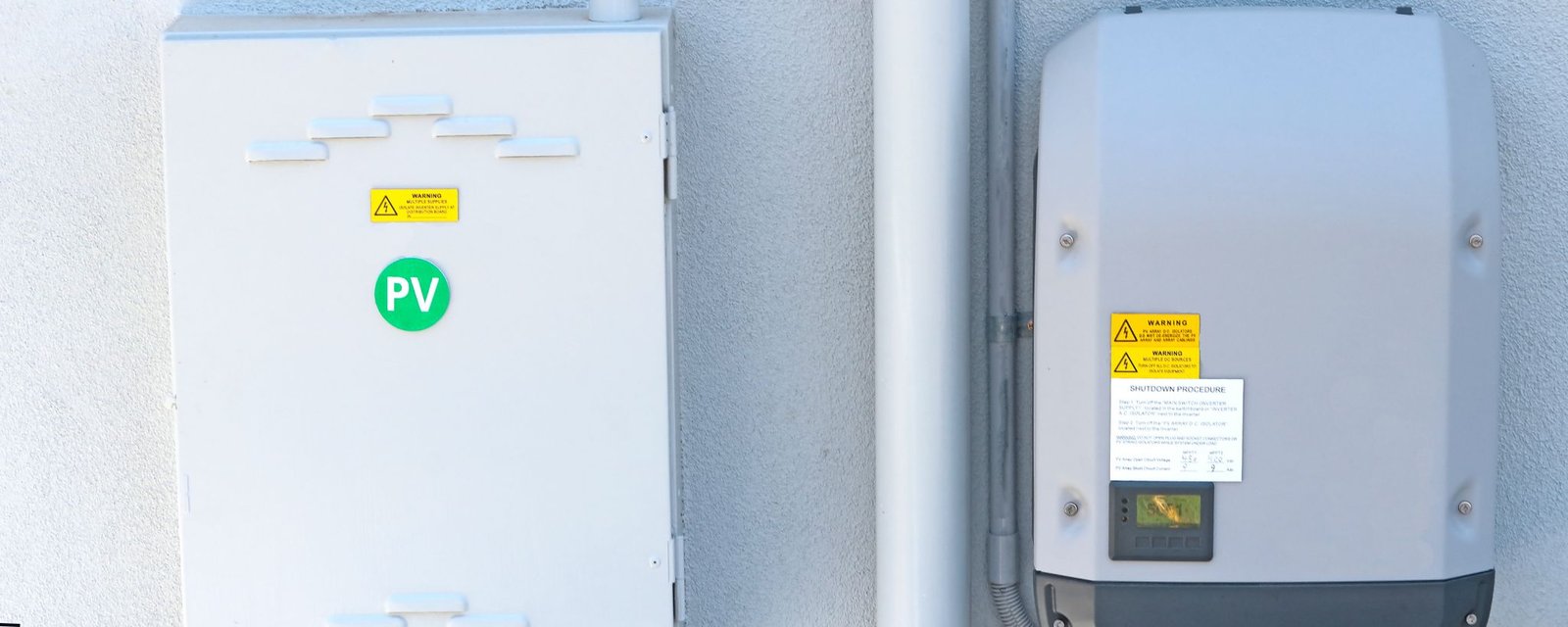
For sensitive hardware like data center servers, surgical equipment, or PLC controllers, standard offline standby inverters are insufficient. The milliseconds required to switch to battery power during a grid cut can cause system crashes or data loss.
ASTFAST integrates Online double-conversion systems. The load is continuously powered by the inverter, filtering power fluctuations, sags, and surges. During a blackout, the battery bank continues to feed the inverter with **zero transition delay**.

We size, configure, and install Online UPS cabinets and high-capacity battery configurations.
Rugged backup topologies designed to preserve server systems integrity.

Continuous AC-to-DC-to-AC conversion. Provides pure sine wave output, isolated from grid fluctuations and frequency sags.

Deep-cycle industrial battery packs sized to sustain database racks, critical lighting circuits, and security terminals.
High-capacity power cabinets (up to 500kVA) supporting entire facility wings, server complexes, and factory automation lines.
Installing a high-power online system requires careful calculation of circuit breaker values, cable thickness (to prevent thermal runaways), and safety grounding paths. Our certified electricians handle all system wiring.
We audit your devices' power draw peaks, sizing battery capacities to deliver target runtime safety margins.
We configure external manual bypass switches to allow UPS servicing without shutting down database racks.
Standard double-conversion routing isolates your devices, keeping servers online during sudden brownouts.

Annual Power AMCs
Preventative cell load testing ensuring system health.
A single failed battery cell inside a series string can prevent the entire bank from discharging when a power cut occurs. ASTFAST provides comprehensive AMC auditing services. We measure internal cell resistances, check electrolyte levels, perform thermal imaging on terminals, and log runtime loads.
Consult with our systems engineers for customized layouts and budget estimations for power backup configurations.
